From a Passport to Freedom of Choice: What 13 Years in the Citizenship by Investment Industry Have Taught Me
From Antigua and Barbuda in 2013 to a rapidly evolving global industry. After 13 years in Citizenship by Investment, I’ve witnessed a fundamental shift: what was once primarily about visa-free travel has become a strategy for personal sovereignty, security, and freedom of choice. This is my personal journey through an industry that has transformed the meaning of a second passport.
JURIS Editorial
From Antigua and Barbuda in 2013 to a profoundly transformed industry. How Citizenship by Investment programmes, investor motivations, and the very meaning of holding a second citizenship have evolved.
It All Started in Antigua
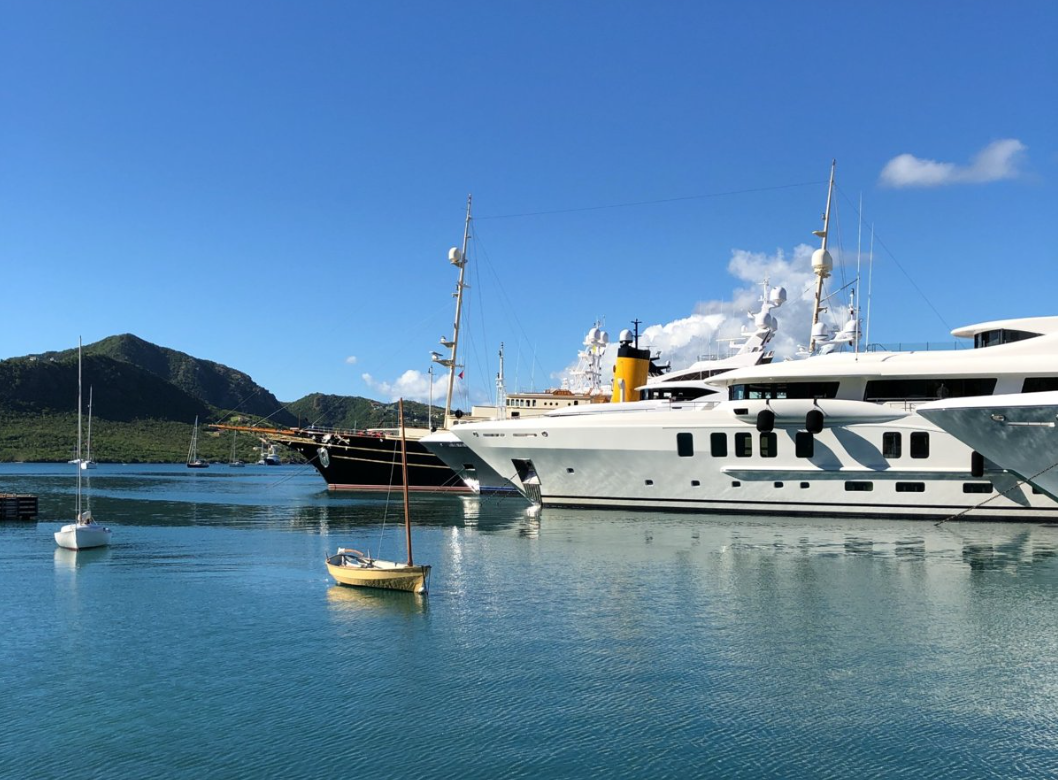
I still remember arriving in Antigua and Barbuda in 2013.
A fascinating island, with welcoming people, largely untouched natural beauty, and an atmosphere that was difficult to find elsewhere in the Caribbean.
There was something special about Antigua. It was one of those places where billionaires came to escape the paparazzi and enjoy their privacy, leaving Saint Barthélemy to those who preferred to be seen.
A little paradise, far from the noise of the world.
It was there that I began working at the Honorary Consulate, an entirely new experience for me. I owe that opportunity to the Honorary Consul at the time, an adventurous entrepreneur who placed his trust in me and gave me the chance to embark on a professional journey I could never have imagined.
I later joined Citizens International, a great company specialising in Citizenship by Investment (CBI), operating primarily in Antigua and Barbuda as an authorised agent and property developer.
That was when an entirely new world opened up to me: the world of citizenship through investment.
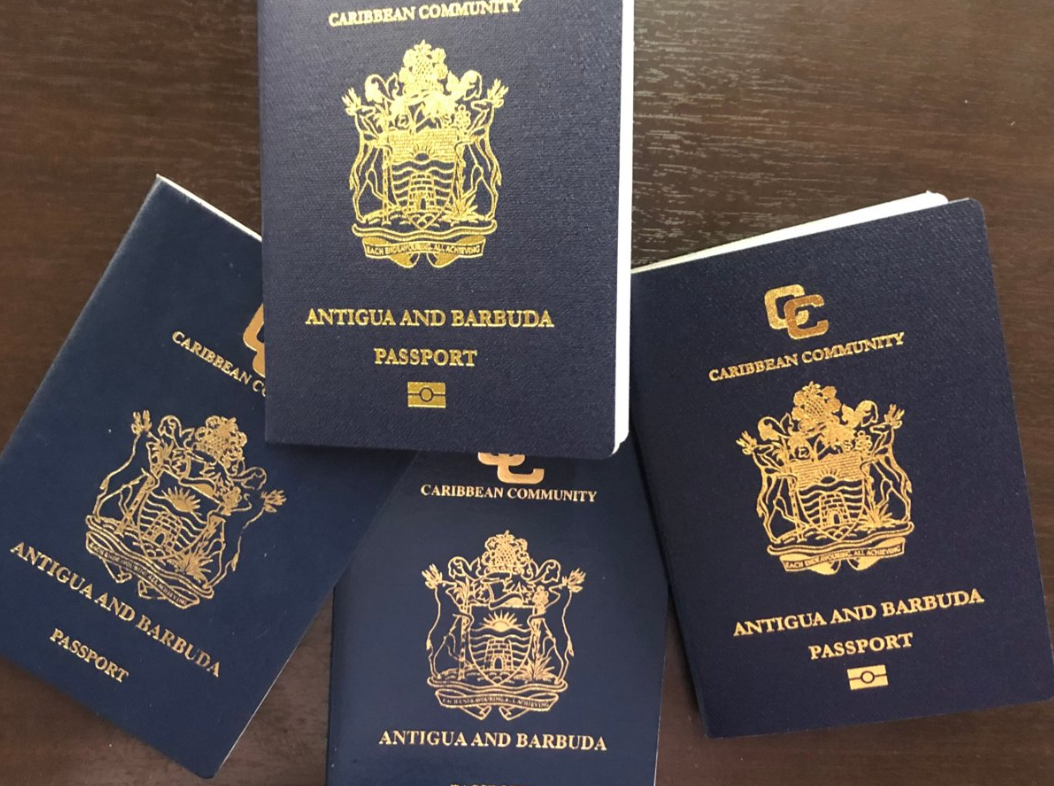
I remember that, as an Italian, I initially struggled to understand why an individual or an entire family would be willing to invest hundreds of thousands of dollars to obtain what, in my eyes, seemed to be simply another passport.
I came from a country whose passport already allowed visa-free access to much of the world.
I had never personally experienced the restrictions that other nationalities faced on a daily basis.
At the time, many of our clients came from countries with more limited international mobility, such as Nigeria, Lebanon, and other African and Asian nations.
For these people, a second passport was not a luxury.
It represented freedom.
The freedom to travel without constantly applying for visas. The ability to organise business trips without weeks of bureaucratic preparation. Greater ease in visiting children studying abroad or planning international family travel, while still respecting the applicable study and residence permit requirements.
I remember clients spending days preparing documents, visiting consulates, waiting for appointments, and hoping their visa applications would be approved, with no guarantee of success.
A second passport could radically change that situation.
At first, I struggled to understand their motivations. But as I began speaking directly with these people and listening to their experiences, I started seeing passports from an entirely different perspective.
What I had always taken for granted was, for others, an opportunity that could genuinely transform their everyday lives.
And it was during those years that I understood something fundamental:
We are not all born with the same freedom of movement.
The Evolution of an Entire Industry
The years passed, and the industry began to change.
When I started, the focus was primarily on Caribbean programmes. Saint Kitts and Nevis, Dominica, Antigua and Barbuda, Grenada, and later Saint Lucia represented the heart of this market.
Gradually, other countries began introducing citizenship by investment programmes, recognising their potential to attract international capital, finance infrastructure, and support economic development.
Today, the landscape is much broader, with programmes across different regions of the world, each with its own characteristics, requirements, and objectives.
Costs have also changed dramatically. I remember a time when, under certain Caribbean programmes, citizenship could be obtained through minimum contributions of approximately USD 100,000, particularly in the years following my arrival. Today, in several cases, those thresholds have more than doubled, excluding government, professional, and due diligence fees. Another indication of how significantly this market has evolved.
But with new opportunities came new responsibilities.
I have witnessed this transformation firsthand.
In the early days, procedures were relatively straightforward, and documentation requirements were generally more limited. Today, preparing an application requires considerably more detailed work.
The relationship with clients has also evolved. It is no longer simply about collecting documents, but about understanding their personal, professional, and financial backgrounds, transparently establishing the source of their funds and the origins of their wealth.
Due diligence procedures have become increasingly sophisticated.
Authorities now require detailed information regarding the source of funds, wealth accumulation, personal and professional backgrounds, and applicants' financial relationships.
International pressure, security concerns, and the need to protect programme credibility have helped transform what was once a relatively little-known market into an industry facing increasing scrutiny.
And, in my opinion, this evolution was necessary.
Citizenship is not simply a commercial product. It represents a legal and institutional relationship between an individual and a sovereign state.
Of course, not every development has been positive.
Over the years, I have also witnessed controversies, international pressure, restrictions on mobility, and growing concerns about the credibility of certain programmes.
The industry has had to confront a fundamental question:
To what extent can a country use its citizenship as a tool for economic development without compromising its value and reputation?
It is a question that I still consider central to the future of the industry.
The Great Shift: It Is No Longer Just Holders of Weaker Passports Seeking Alternatives
Over the past five years, I have observed a particularly interesting change in the profile of applicants.
An increasing number of Europeans, British citizens, and Americans have started exploring second citizenship options, despite already holding some of the world's most powerful passports.
The question I asked myself back in 2013 has returned, but with an entirely different meaning.
Why would an Italian, German, British, or American citizen want a second passport?
Not necessarily for visa-free travel. In most cases, they already enjoy that privilege.
The answer today is far more complex.
The concept of personal sovereignty is becoming increasingly relevant.
The ability to avoid depending exclusively on one country, one political system, one jurisdiction, or one set of rules.
A second citizenship can provide a permanent connection to another country, new opportunities for family members, and, in certain circumstances, greater flexibility in international planning.
For some, it means having another country to call home.
For others, it means diversifying their international presence, exploring additional banking and wealth management relationships, always in compliance with applicable regulations, or establishing an alternative plan for the future.
For others still, it is about security, family continuity, and navigating geopolitical uncertainty.
Consular protection and the rights associated with a second citizenship naturally depend on the countries involved and their respective legal frameworks.
But the underlying principle remains the same: expanding one's options.
People are no longer simply looking for a passport that allows them to travel. They are looking for greater freedom of choice.
From Citizenship to Residency: A New Mindset
At the same time, Residency by Investment (RBI) programmes have become increasingly important.
Today, an investor can consider not only where to obtain a second citizenship, but also where to establish residency, develop a business, relocate their family, or legally organise their tax affairs.
CBI, RBI, and tax residency planning are different instruments, but they can form part of a coordinated international strategy.
And all of this is happening in a world where international mobility has become remarkably accessible.
A flight can take us from Europe to the Caribbean within a matter of hours, while technology allows us to work, manage companies, and maintain professional relationships without necessarily being physically present in the same place every day.
International mobility is no longer just about holidays or business travel.
It is increasingly becoming part of personal, family, and wealth planning.
And perhaps this is the most significant change of all.
For many investors, a second citizenship is no longer necessarily the final destination, but one of several tools through which they can build greater international independence.
What I Have Learned Over These 13 Years
When I think back to my arrival in Antigua in 2013, I realise just how much this industry has changed, but also how much my own understanding of it has evolved.
In the beginning, I mostly met people who were looking for a better passport.
Today, I increasingly meet people who already hold some of the world's strongest passports, yet still want a second citizenship.
Of course, a second citizenship does not solve every problem, does not automatically eliminate tax obligations, and does not guarantee access to every country or banking system.
But when incorporated into a well-structured strategy, it can provide opportunities that a single citizenship may not offer.
Over these thirteen years, I have seen programmes, governments, regulations, procedures, and, above all, client motivations change.
The motivations may have evolved, but the underlying principle remains the same: the pursuit of greater freedom.
In 2013, my clients were looking for a passport that would allow them to enter more countries. Today, many are looking for a second country where they have the right to enter, live, and build their future.
Perhaps that is the greatest transformation I have witnessed in thirteen years in this industry.
It is not just the citizenship by investment market that has changed.
The very meaning of holding a second passport has changed.
Carlo Alberto Rovere Managing Partner, Allie International Co-Founder, Juris Global and TaxNomadism
Your next step
Speak to an adviser
Tell us what you need. The JURIS team will review your enquiry and help you find the right support.